
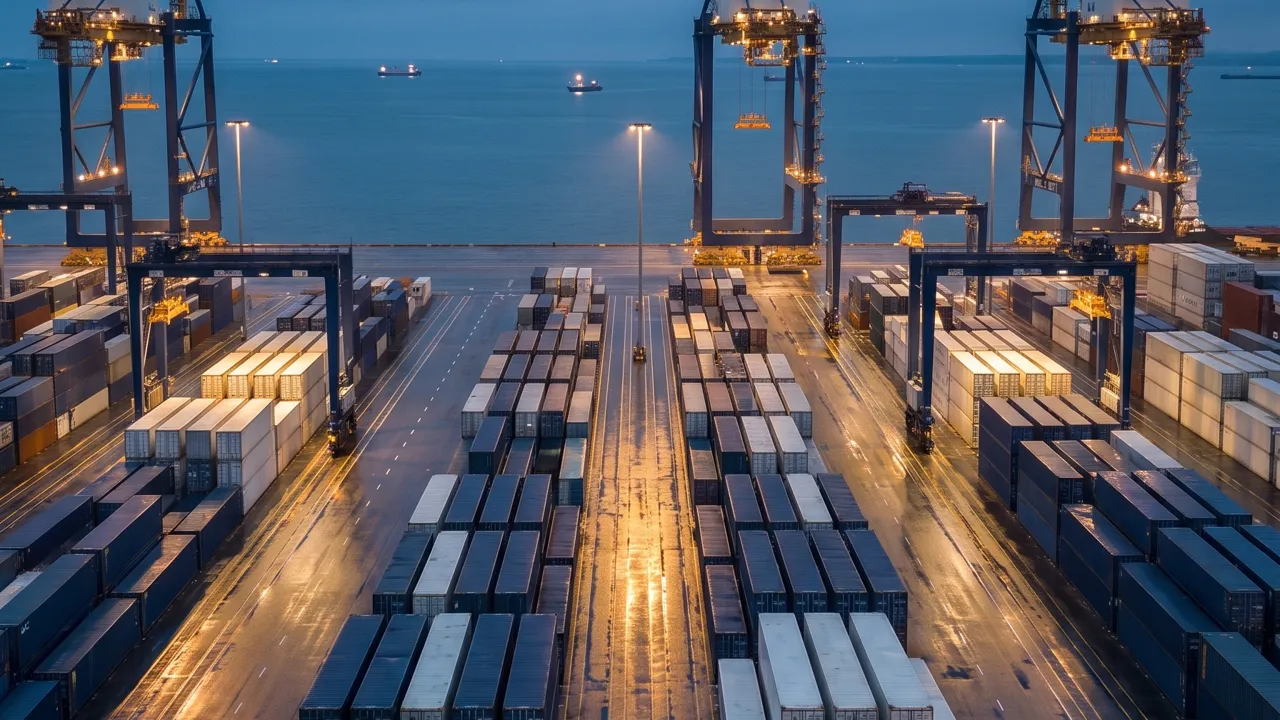
Customs clearance and foreign trade in Cancun
Clearance starts before the ship docks. By the time the cargo touches port, the customs entry is ready.
So your cargo doesn't sit on the dock over a piece of paper.
One wrong tariff code or one missing permit can hold a container for weeks while storage fees pile up. We check classification, Mexican official standards and permits ahead of time, and tell you from the start what you'll pay in duties and fees.
We handle permanent and temporary imports, exports and returns, at seaports, airports and border crossings.
- Before docking
- the customs entry is ready
- From day one
- you know what you'll pay
What's included
Import and export
Permanent, temporary and returns.
Tariff classification
The right code from the first shipment.
Compliance
NOM standards, permits and non-tariff regulations.
Importer registry
Registration and upkeep, general and by sector.
Clearance
At seaports, airports and borders.
How an import gets cleared
We check before you buy
Tariff code, standards, permits and whether you need a sector registry. If something keeps the product from being imported, you know before paying your supplier.
We work out duties and costs
Duty, VAT, customs processing fee, handling and brokerage. One complete number, up front.
We put the file together
Invoice, packing list, transport document, certificate of origin when a trade agreement applies, and whatever permits are required.
The entry is filed and the cargo released
Clearance is signed by a licensed Mexican customs broker, as the law requires. We coordinate it, attend the inspection if there is one and get the cargo out of the terminal.
Cancun customs and the other gateways
The Cancun customs office covers the international airport and Puerto Morelos. That's where air cargo and regional sea cargo clear. Containers from Asia or Europe are almost always cleared at their port of entry — Manzanillo, Lázaro Cárdenas, Veracruz, Progreso — and travel on to Quintana Roo already released.
For a hotel or a restaurant this matters because of what they bring in: food and beverages with health permits, wine and spirits with tax stamps and a sector registry, textiles with labelling rules, electrical equipment under official standards. Those are the categories where shipments get held most often, and the ones we check first.
Logistics and foreign trade in CancunLogistics and foreign trade in Playa del CarmenLogistics and cargo delivery in Tulum
What we handle
Permanent imports
Goods that arrive to stay: equipment, materials, product for sale.
Temporary imports and returns
Equipment for an event, a film shoot or a construction project that comes in duty-free and leaves again within the legal term.
Exports
Product made in Mexico going abroad, with its certificate of origin so your customer pays less duty.
Frequently asked questions
What do I need to import into Mexico?
To be listed in the SAT importers' registry, to have the commercial invoice and the transport document, and to meet the product's regulations: official standard, permits or sector registry where they apply. Clearance is filed by a customs broker. We tell you what's missing before the first shipment.
How much tax is due on an import?
It depends on the tariff code and the country of origin. Typically: the duty set by the tariff code — 0% under many free trade agreements — the customs processing fee and 16% VAT. Some products also pay excise tax or countervailing duties. You get the full calculation before shipping.
What is the importers' registry and how long does it take?
It's the SAT registration that allows you to import. It's filed online with your e.firma and, with your tax status in order, usually resolves in about ten business days. Certain products — wine and spirits, textiles, footwear, steel — also require a sector registry.
Why does a shipment get held at customs?
Almost always paperwork: a wrong tariff code, a missing permit, a declared value that doesn't match the invoice, or labels that don't meet the standard. All of that can be checked before the cargo leaves origin.
Do you only clear cargo in Cancun?
No. Clearance happens at whichever seaport, airport or border crossing suits the route, and the cargo travels already released to Cancun, Playa del Carmen or Tulum.
The other services
- Multimodal transportShip, plane or truck: we pick the way by what it weighs, how soon you need it and what it costs.
- Cargo insuranceOne policy that stays with the cargo even when it changes ship, truck or hands.
- Warehousing and distributionYour goods wait here and leave when you ask for them, not when the ship comes in.
- Full supply chain 3PL · 4PLHand us the whole chain and get back to running your business.
What do you need to bring in?
Tell us what it is, where it's coming from and when. Within 24 hours you'll have route, timing and cost in writing.